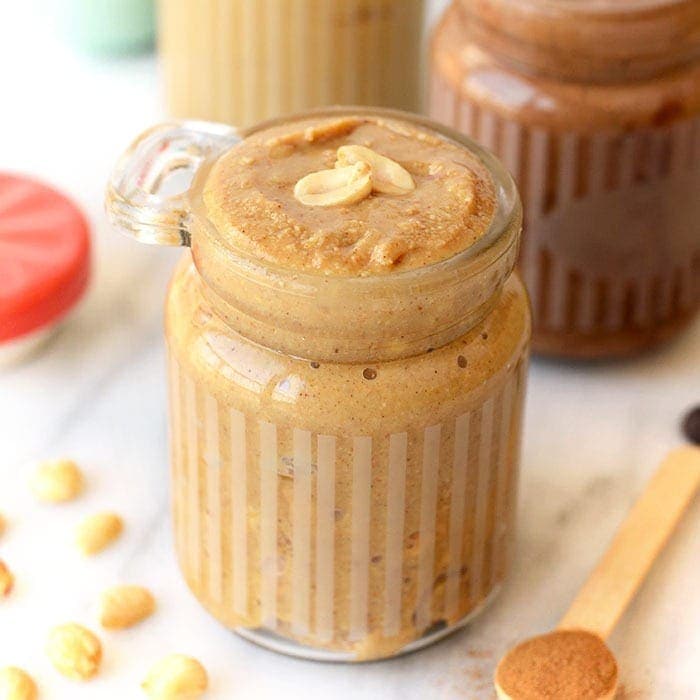
Elevate Your PB: Discover the Joy of Homemade Peanut Butter and 3 Creative Flavors
Have you ever considered whipping up your own batch of peanut butter right in your kitchen? If not, you’re in for a delightful surprise! Making homemade peanut butter isn't just incredibly easy; it's a game-changer for your pantry and your palate. Forget store-bought versions laden with unwanted sugars and oils; with just one primary ingredient – peanuts – and a trusty food processor, you can create a fresh, wholesome spread in minutes. But why stop at classic? The real fun begins when you learn to
make homemade peanut butter plus 3 ways flavor it, transforming a simple spread into an exciting culinary adventure.
Why Homemade Peanut Butter is a Must-Try
Beyond the sheer satisfaction of crafting something from scratch, there are compelling reasons to
make homemade peanut butter in under 7 minutes with 1 ingredient. Firstly, it offers unparalleled freshness. You control exactly what goes into it, ensuring a product free from hydrogenated oils, excessive sodium, or artificial preservatives often found in commercial brands. This commitment to purity means a healthier spread for you and your family.
Peanuts themselves are nutritional powerhouses. Each serving packs a punch with approximately 7 grams of plant-based protein, making it an excellent choice for sustained energy. They also boast 6 essential nutrients, including magnesium, phosphorus, zinc, niacin, and Vitamin E, vital for various bodily functions. Perhaps most importantly, peanuts are rich in heart-healthy monounsaturated and polyunsaturated fats, which can help lower bad cholesterol levels and support overall cardiovascular wellness. And because you’re making it yourself, you can rest assured it's not high in sodium, offering a truly clean eating experience.
The Simple Art of Making Homemade Peanut Butter
The process of transforming humble peanuts into creamy, dreamy peanut butter is surprisingly straightforward and incredibly fast, especially with a high-speed food processor. The journey from whole nut to luscious spread typically takes between 5 to 7 minutes.
Here’s the basic breakdown:
- Gather Your Tools: You'll need a powerful food processor with sharp blades. The more robust your machine, the quicker and smoother your peanut butter will be.
- The Star Ingredient: Start with dry roasted peanuts. You can buy them pre-roasted or roast raw peanuts yourself for an even fresher flavor. Ensure they are plain, unsalted peanuts unless you want to control the salt content yourself.
- Process Away: Simply place your dry roasted peanuts into the food processor bowl. Secure the lid and start processing on high speed.
- The Transformation: What you’ll observe is a fascinating textural evolution:
- Minute 1-2: Peanuts will break down into a coarse meal or crumble.
- Minute 2-4: The meal will start to clump together, forming a ball. This is when you'll likely need to stop the processor and scrape down the sides to ensure even processing.
- Minute 4-6: The oils from the peanuts will begin to release, and the mixture will transition from a crumbly ball to a thicker paste, then a creamy, smooth consistency.
- Minute 6-7 (or longer for extra drippy): Continue processing until your peanut butter reaches your desired level of creaminess and becomes wonderfully drippy.
Things to Consider for Optimal Results:
- Peanut Quality: The oil content and roast level of your peanuts can influence the final texture. Darker roasts tend to release oils more readily.
- Blade Sharpness: Sharper blades are more efficient, leading to faster processing times and a smoother texture.
- Processor Power: A high-wattage food processor is your best friend here, as it can handle the dense peanut mass without overheating or struggling.
Now that you've mastered the foundational step, let’s dive into how to elevate your PB game with some truly inspired flavors!
Unleash Your Inner Foodie: 3 Creative Homemade Peanut Butter Flavors to Try
Transforming your basic peanut butter into a gourmet spread is incredibly easy and fun. Here are three fantastic ways to flavor your homemade creation, perfect for snacking, baking, or spreading on your favorite toast.
1. Decadent Chocolate Sea Salt Peanut Butter
This flavor combination is a classic for a reason – the sweet indulgence of chocolate perfectly balanced by a hint of savory sea salt. It’s like a dessert in a jar!
Ingredients:
- 3 cups dry roasted peanuts
- 1/4 cup dark chocolate chips (room temperature is key!)
- 1/8 teaspoon sea salt
Instructions:
- Place the 3 cups of dry roasted peanuts in your high-speed food processor.
- Process on high for 5-8 minutes, pausing every minute or so to scrape down the sides of the bowl as needed, until the peanut butter is smooth and drippy.
- Once your plain peanut butter is ready, add the dark chocolate chips and sea salt.
- Blend for about 1 more minute, or until the chocolate chips are fully incorporated and the mixture is uniform.
Pro Tip: Using room temperature chocolate chips prevents them from seizing the warm peanut butter, which can lead to a grainy or chunky texture. This flavor is divine on apple slices, stirred into oatmeal, or simply enjoyed by the spoonful!
2. Comforting Honey Vanilla Peanut Butter
Naturally sweetened and subtly aromatic, this honey vanilla variation offers a comforting and sophisticated twist on traditional peanut butter. It’s especially lovely in smoothies or drizzled over pancakes.
Ingredients:
- 3 cups dry roasted peanuts
- 2 tablespoons honey
- 1 teaspoon vanilla extract
- 2 tablespoons coconut oil (melted if solid)
Instructions:
- Process the 3 cups of dry roasted peanuts in your high-speed food processor for 5-8 minutes, scraping the sides as necessary, until you achieve a drippy, smooth peanut butter.
- Once the peanut butter is ready, add the honey, vanilla extract, and coconut oil.
- Blend again. At this stage, your peanut butter might *seem* to seize and become less creamy. Don't panic! This is a normal reaction, and the coconut oil is specifically added to help emulsify and smooth everything out again.
- Continue blending for another 2-3 minutes until the mixture regains its smooth, creamy consistency.
Why Coconut Oil? It helps to prevent separation and ensures a beautifully creamy texture, especially with the addition of liquid sweeteners like honey. This naturally sweetened spread is perfect for enhancing your breakfast routine.
3. Hearty Crunchy Maple Cinnamon Peanut Butter
For those who love a bit of texture and a warm, spiced flavor, this crunchy maple cinnamon option is a dream come true. It’s reminiscent of a cozy autumn morning and pairs wonderfully with toast or fruit.
Ingredients:
- 3 cups dry roasted peanuts
- 2 tablespoons 100% pure maple syrup
- 1 teaspoon ground cinnamon
- 2 tablespoons coconut oil (melted if solid)
- 1/3 cup whole peanuts (for crunch)
Instructions:
- Begin by processing the initial 3 cups of dry roasted peanuts in your high-speed food processor for 5-8 minutes, scraping down the sides until the peanut butter is smooth and drippy.
- Add the maple syrup, ground cinnamon, and coconut oil to the processed peanut butter. Blend for 2-3 minutes, just as with the honey vanilla, to ensure everything is thoroughly combined and smooth.
- Finally, add the 1/3 cup of whole peanuts to the food processor. Pulse a few times until they are roughly chopped and incorporated, creating that delightful crunchy texture. Be careful not to over-process, or you'll lose the crunch!
Customize Your Crunch: Adjust the amount of whole peanuts to achieve your preferred level of crunchiness. This spiced, textured peanut butter is fantastic on oatmeal, in energy bites, or simply spread on a warm muffin.
Tips for Peanut Butter Perfection & Storage
Making your own peanut butter is a creative process, and a few extra tips can ensure every batch is a success:
- Seasoning: If using unsalted peanuts, you might want to add a tiny pinch of salt (1/4 to 1/2 teaspoon per 3 cups of peanuts) to enhance the flavor.
- Sweetness: Beyond the recipes above, you can experiment with other natural sweeteners like agave nectar or dates (process with the peanuts).
- Oil Content: If your peanut butter seems too thick, you can add a teaspoon of neutral oil (like grapeseed or coconut oil) at a time until you reach your desired consistency.
- Storage: Store your homemade peanut butter in an airtight container in the refrigerator. It will typically last for 2-3 weeks. Over time, some oil separation may occur; simply stir it back in.
- Experiment: Don't limit yourself to these three flavors! Consider adding cocoa powder for a deeper chocolate flavor, a pinch of cayenne for a spicy kick, or different nuts like cashews or almonds for unique blends. For more ideas and health benefits, check out Healthier Peanut Butter: Homemade, Protein-Rich, No Fillers.
Conclusion
Embracing the world of homemade peanut butter is more than just a culinary pursuit; it's a step towards healthier eating and a delightful way to explore new flavors. With its simplicity, nutritional benefits, and endless customization options, there’s no reason not to give it a try. Whether you're craving the classic sweetness of honey vanilla, the bold contrast of chocolate sea salt, or the comforting crunch of maple cinnamon, learning to
make homemade peanut butter plus 3 ways flavor it opens up a world of delicious possibilities. So, grab your peanuts, fire up your food processor, and prepare to elevate your PB experience!